Roof Cleaning for Crawley's New Town and Post-War Homes
Crawley is unusual among Sussex towns, and its roofs reflect that. Where most English towns grew up slowly over centuries, Crawley was designated a New Town in 1947 under the New Towns Act and built out in a single concentrated wave to take London's post-war overspill and support the growth of nearby Gatwick. The town was laid out to Anthony Minoprio's master plan as a ring of self-contained neighbourhoods around a compact centre, from West Green and Northgate in the early 1950s through Pound Hill, Langley Green, Tilgate, and Furnace Green, to later additions like Bewbush, Broadfield, Maidenbower, and Forge Wood. That history is written into the roofs across the borough, and it shapes exactly how they should be cleaned and cared for. This detailed guide explains what Crawley's largely post-war housing means for keeping a roof clear of moss and in sound condition for the long term.
The quick answer: A great many Crawley homes date from the 1950s onwards and were built with concrete interlocking tiles. These are hard-wearing but carry a protective surface layer that harsh, high-pressure cleaning can strip away, leaving the tile more porous and quicker to grow moss than before. Gentle, low-pressure soft washing is the safe, effective way to keep these roofs clear, and regular light maintenance beats occasional drastic intervention every time.
1. A Town Planned From Scratch
Understanding Crawley's roofs starts with understanding how the town came to be. The New Towns Act of 1946 set out to move people and industry out of an overcrowded, war-damaged London into planned settlements twenty to forty miles away, and Crawley, with the villages of Ifield and Three Bridges nearby, was formally designated in January 1947. A Development Corporation was given the powers and the land, some 6,000 acres, to build not just houses but the roads, drains, and services a whole town needs.
The plan that shaped it, drawn up by Anthony Minoprio, arranged the town as a series of self-contained neighbourhoods, each with its own mix of housing, open space, shops, schools, and community facilities. West Green was the first to be built in the early 1950s, followed by Northgate, Three Bridges, Langley Green, and Pound Hill, with Southgate and Gossops Green later in the decade and Bewbush and Broadfield in the 1970s. Maidenbower followed in the 1990s and Forge Wood more recently still.
The upshot for roofs is simple but important: Crawley's housing stock leans overwhelmingly towards post-war construction rather than the Victorian terraces and older clay-and-slate roofs found in longer-established towns. That single fact changes how a roof here should be treated.
2. What Post-War Building Means for Your Roof
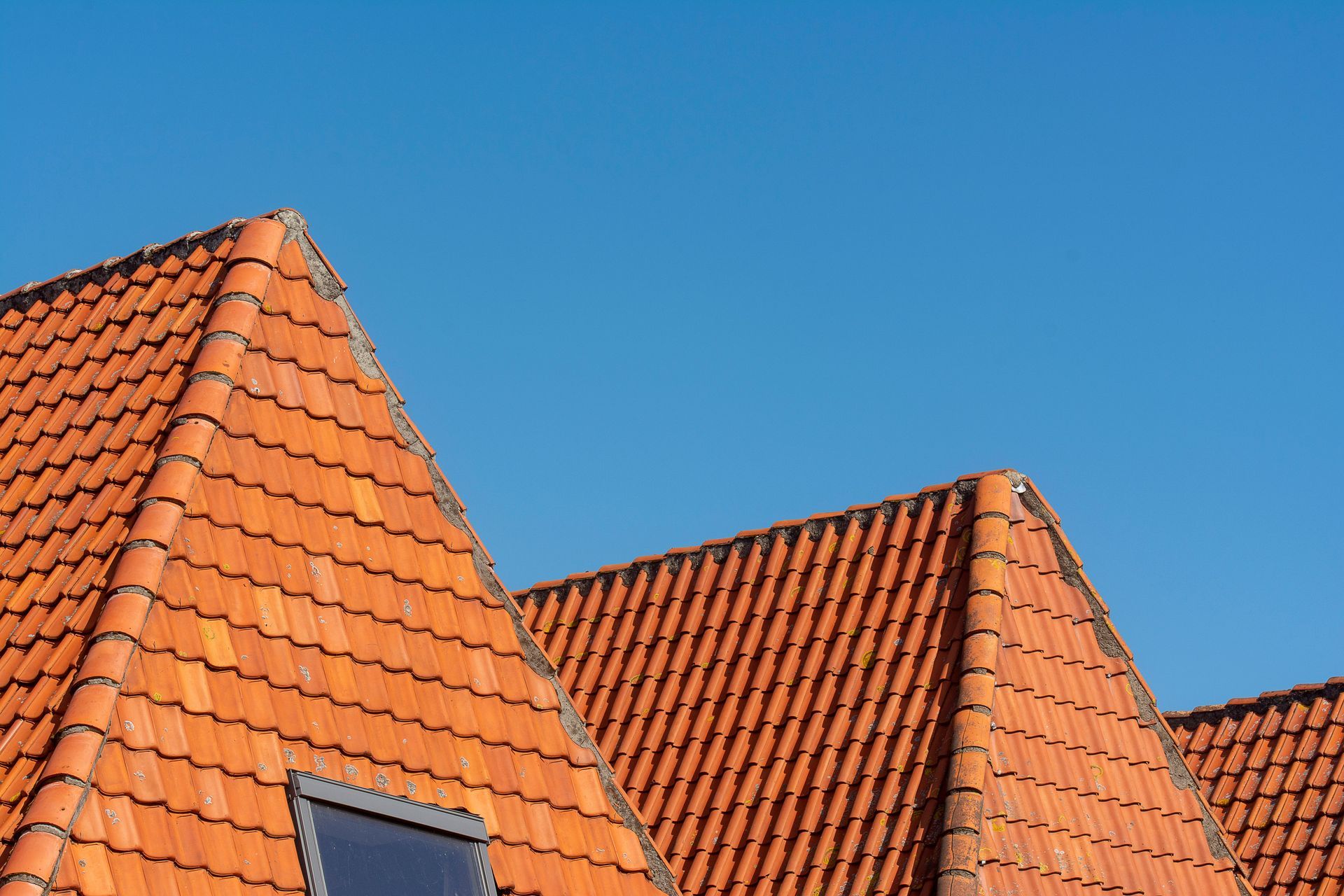
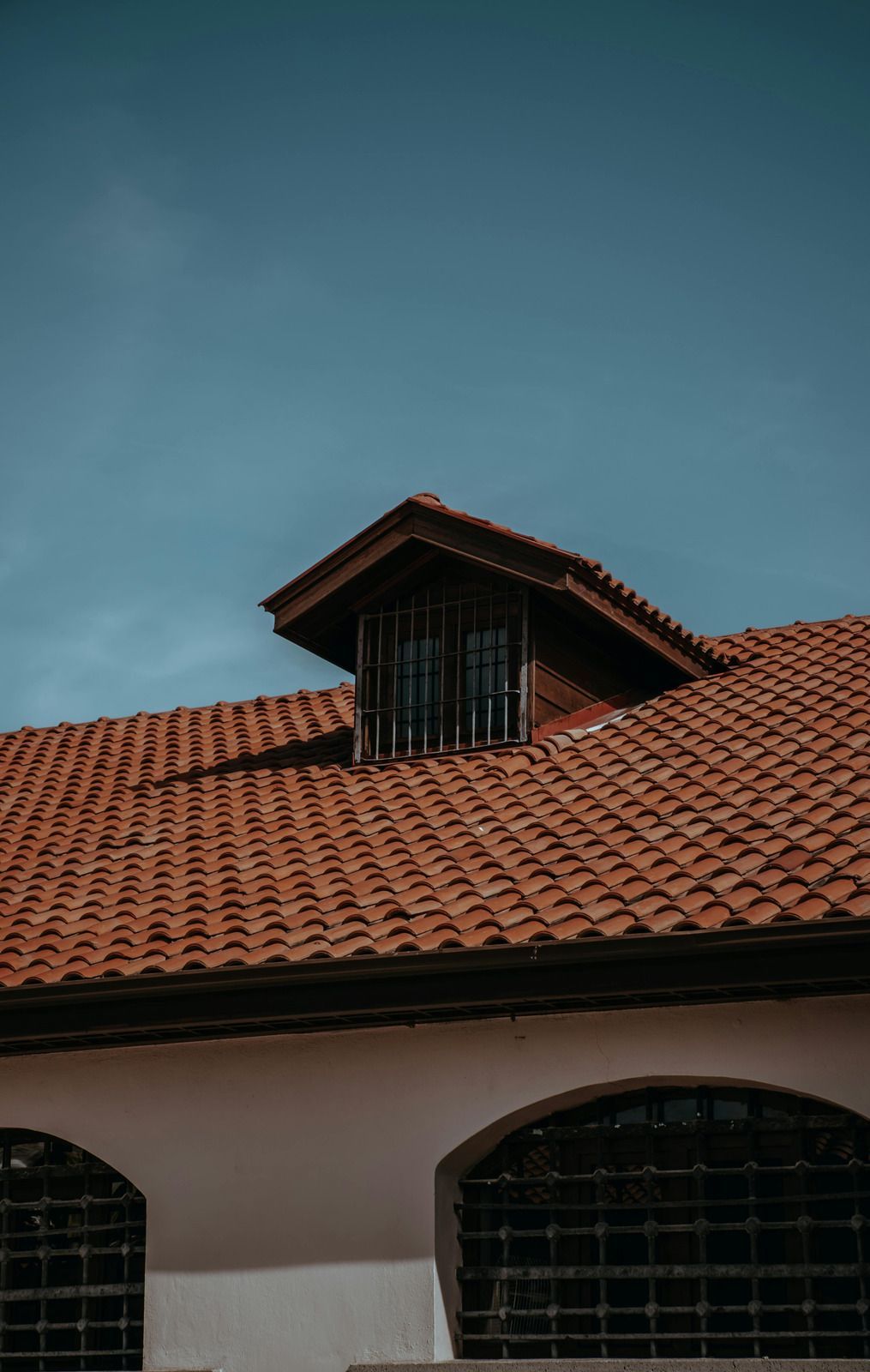
Homes built across Crawley's neighbourhoods from the 1950s onwards were, for the most part, roofed with concrete interlocking tiles. Concrete tile became the standard roofing material of post-war British housebuilding: it was quick to produce, affordable, strong, and available in the volumes a rapidly expanding town demanded. If your home is in Southgate, Furnace Green, Broadfield, Bewbush, or one of the other planned neighbourhoods, there is a good chance it wears exactly this kind of roof.
This matters because concrete behaves quite differently from the clay and slate that cover older properties. It is robust and forgiving in many ways, but it is not indestructible, and crucially it relies on a surface layer that can be damaged by the wrong cleaning method. Knowing what your roof is made of is the first step to looking after it properly.
3. How Concrete Tiles Behave, and Why Pressure Washing Harms Them
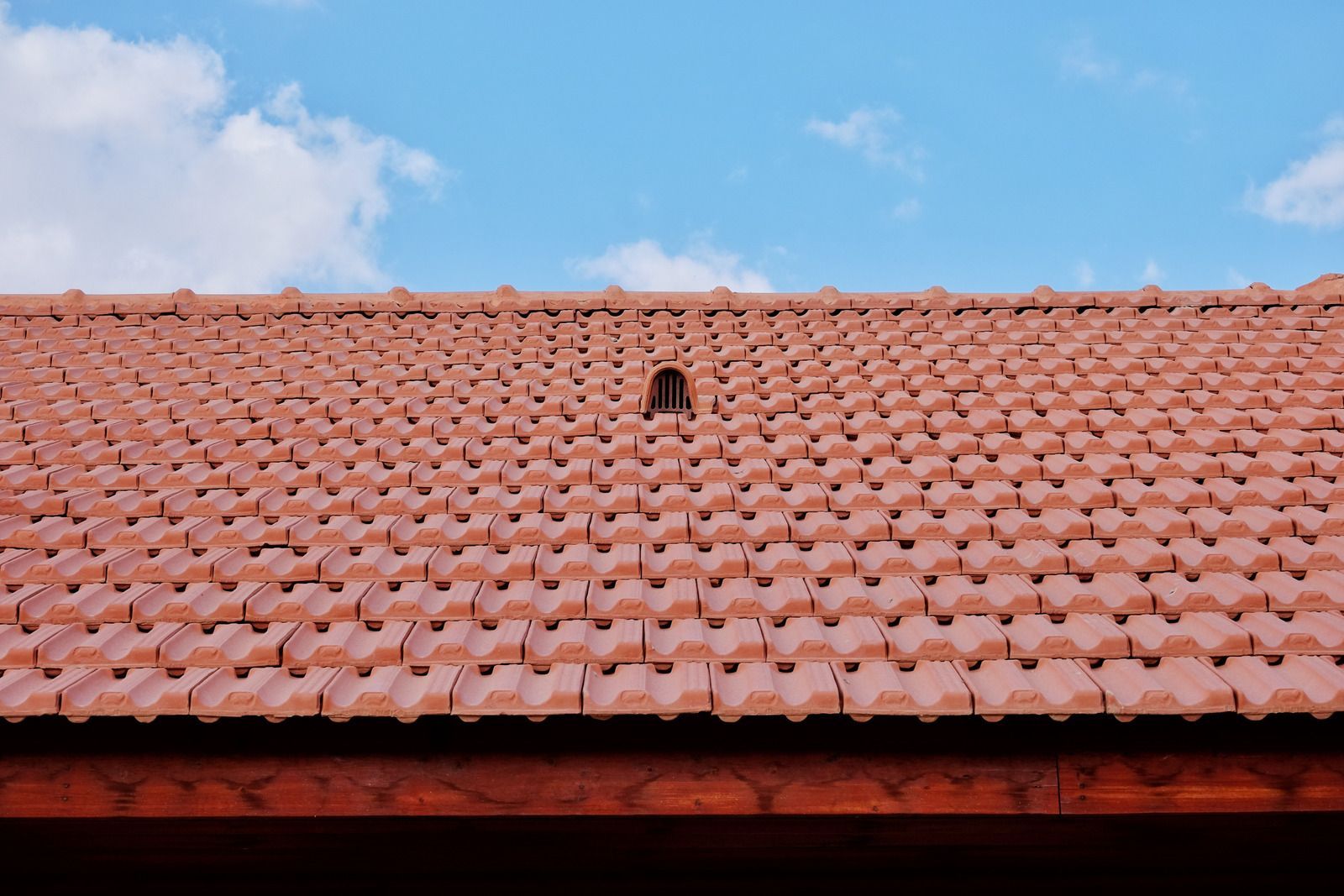
Concrete tiles are strong and long-lasting, which sometimes leads homeowners to assume they can withstand any amount of force. In reality, a concrete tile has a protective outer surface, and aggressive high-pressure washing can blast that layer away. Once the surface is gone, the tile underneath is left more porous. It soaks up more water, holds that moisture longer, and, ironically, grows moss faster than it did before it was cleaned.
There is a second hidden risk with high pressure. Forcing water at speed across a roof can drive it up under the tiles and into the roof structure, leaving damp exactly where you least want it. A roof that looks dramatically cleaner in the hour after a pressure wash can end up more vulnerable to leaks, and quicker to turn green again, than it was to begin with.
This is why the fast, forceful clean is so often the wrong choice on a Crawley roof. A gentle, low-pressure soft wash, combined with cleaning solutions that break moss and algae down at the source, removes the growth just as thoroughly while preserving the surface that lets the tiles do their job. It is slower and takes more skill, but it is the approach these post-war roofs are built to reward.
4. The Local Conditions That Feed Moss
Crawley's own character works against its roofs when it comes to moss. The town sees around 713mm of rain across roughly eighty rainy days a year, with autumn, particularly October and November, the wettest stretch. That steady, year-round moisture is precisely what moss, algae, and lichen need to establish and spread, and it means local roofs rarely enjoy the long dry spells that would naturally hold growth back.
Then there are the trees. Crawley was deliberately planned as a green town, with generous open space woven through every neighbourhood. Tilgate, with its country park and surrounding woodland, and the leafier streets of Worth and Pound Hill, put a great many roofs close to mature trees. Those trees cast shade that stops tiles drying out and drop leaves and debris that hold moisture and give moss something to root into.
The result is that many Crawley roofs grow moss readily, and always worst on the shaded, usually north-facing slopes that see the least sun. It is entirely normal for the local environment and not a sign that a house has been neglected. It simply means these roofs benefit from regular attention.
5. Warning Signs Your Roof Needs Attention
Not every trace of green is urgent, but a few clear signals separate a cosmetic covering from one that is starting to cause problems. If you notice any of the following on your Crawley home, it is time to arrange a clean:
- Thick, spongy moss building up in cushions rather than a thin surface tint.
- Clumps of moss collecting in the gutters, on the ground, or on a conservatory roof below.
- Dark streaks or green staining spreading down and across the tiles.
- A north-facing slope that stays green while the sunny side looks clear.
- Gutters overflowing in heavy rain, a sign moss and debris are blocking the flow.
6. The Right Way to Clean a Crawley Roof
A proper clean starts with a proper look. Because Crawley's roofs vary in age, pitch, and access from one neighbourhood to the next, a responsible cleaner assesses the tiles and the layout before starting rather than applying a single technique to every job. That assessment decides how the roof is reached safely and confirms the gentle, low-pressure method suits the tiles, which on the town's concrete roofs it almost always does.
The clean itself lifts moss, algae, and lichen from the surface and clears the loosened growth away, and it is often sensible to clear the gutters at the same time, since moss shed from the roof ends up there anyway. Where a roof faces heavy shade or has a history of fast regrowth, a protective treatment afterwards can slow how quickly the moss returns, keeping the roof clearer for longer.
7. Building Cleaning Into a Routine
The most cost-effective way to look after a Crawley roof is to treat cleaning as regular maintenance rather than an occasional rescue. A roof kept clear never reaches the point where moss is thick enough to lift tiles, block gutters, or demand the kind of heavy intervention that puts a surface at risk. Small, steady care keeps the tiles drying as they should and heads off the larger, costlier problems that neglect brings.
Treated this way, a Crawley roof stays clear of moss and its concrete tiles keep performing for decades, which is exactly what these well-built post-war homes were designed to do. A little local knowledge and a gentle, consistent approach are all it takes to keep a New Town roof looking after the home beneath it.
Frequently Asked Questions
Do concrete roof tiles really need cleaning?
Yes. Concrete tiles are common on Crawley's post-war homes and, while robust, they hold moss readily once their surface weathers with age. Gentle, regular cleaning keeps them clear and protects the surface that helps them shed water.
Can you pressure wash a concrete tile roof?
It is not advised. High pressure can strip the protective surface off concrete tiles, leaving them more porous and quicker to grow moss, and can force water under the tiles. A low-pressure soft wash is safer and lasts longer.
Why does my Crawley roof grow so much moss?
Crawley's steady rainfall of around 713mm a year and the trees and green space designed into its neighbourhoods create damp, shaded conditions moss loves, especially on north-facing slopes near woodland such as around Tilgate and Worth.
How often should a Crawley roof be cleaned?
It varies with shade and tree cover, but many homes benefit from a check and clean every one to three years, with the shorter end suiting roofs near heavy tree cover or with a north-facing slope that stays damp.
Is it worth adding a protective treatment?
Often, yes, in Crawley's damp, leafy conditions. A treatment after cleaning slows how quickly moss returns, which can keep the roof clear for longer and reduce how often a full clean is needed. A professional can advise based on your roof.
Roof looking green in Crawley?
Ben's Roof Cleaning provides gentle, professional roof cleaning, moss removal, and gutter clearing across Crawley and West Sussex, with over 15 years of experience. Get in touch or call 0129 320 4461
for a free, no-obligation quote.
Care Built for Crawley's Roofs
Crawley's roofs are a direct legacy of its history as a planned post-war New Town: concrete tiles spread across neighbourhoods that were built in a few short decades and set among generous greenery. Those tiles are hard-wearing but reward gentle handling, and the town's damp, tree-lined setting means moss is a constant, natural challenge rather than a sign of neglect. Regular, low-pressure cleaning, matched to the roof by someone who has looked at it properly, is the smart way to keep moss in check without harming the tiles. Look after a Crawley roof this way and it will stay clear, watertight, and sound for many years to come.