Gatwick, Trees and Damp: Why Crawley Roofs Attract Moss
If your Crawley roof seems to turn green faster than you can keep up with, the town's own character is largely to blame, and understanding why is the first step to getting on top of it. Crawley was planned after 1947 as a New Town with generous green space and tree-lined neighbourhoods, and it sits in a part of Sussex that sees steady rainfall right through the year. Those are lovely things to live among, but from a roof's point of view they combine into close to ideal conditions for moss, algae, and lichen. This detailed guide walks through the local factors at work, explains why some roofs suffer far more than others, and sets out what actually keeps a Crawley roof clearer for longer.
The quick answer: Crawley roofs attract heavy moss because of the town's regular rainfall, the many trees and open spaces designed into its neighbourhoods, the shade they cast, and the amount of post-war concrete tile across the borough. You cannot change the setting, but trimming back shade, keeping gutters clear, and regular cleaning with a protective treatment make a real, lasting difference.
1. A Town Deliberately Built Among Trees
When Crawley was laid out to its post-war master plan, its neighbourhoods were designed with extensive open space, parks, and greenery rather than packed tightly together. That was a deliberate quality-of-life choice, and it is one of the things that makes the town pleasant to live in. From West Green and Northgate to Tilgate, Pound Hill, and Worth, homes sit close to mature trees, playing fields, and, in Tilgate's case, a country park and surrounding woodland.
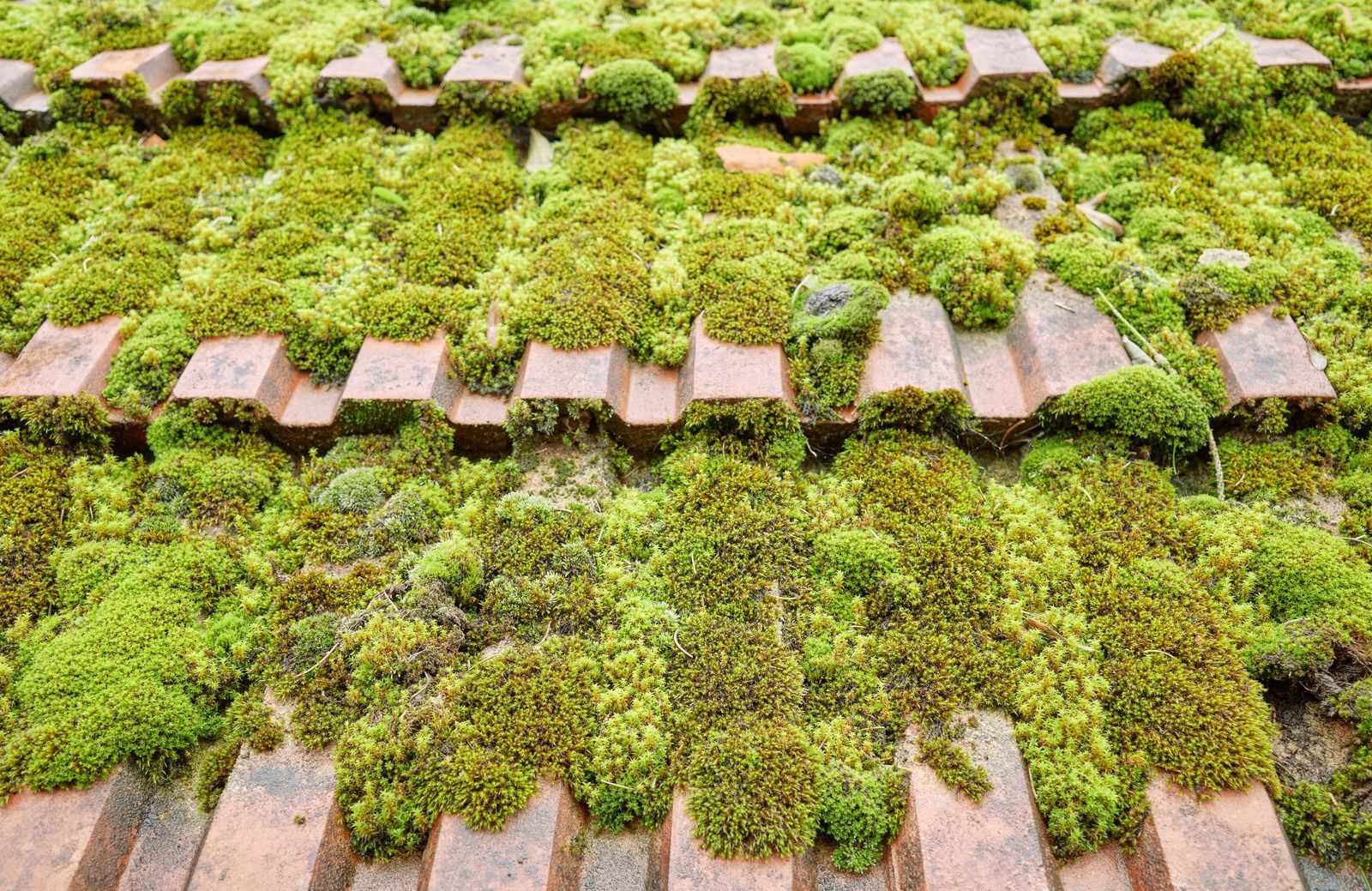
Trees, however, are a roof's quiet adversary. They cast shade that stops the tiles drying out after rain, and they shed leaves, seeds, blossom, and fine debris that settle on the roof and in the gutters. That organic matter holds moisture and gives moss spores exactly the damp, sheltered foothold they need to establish. The greenery that makes Crawley attractive is, from the roof's perspective, a constant supply of shade and damp.
2. Steady Rain Through the Year
Crawley records around 713mm of rain across roughly eighty rainy days a year, and the rain is spread fairly evenly rather than concentrated in one season, with October and November the wettest months. For moss, that steady supply of moisture is perfect. Growth is not limited to a short wet spell; it can continue through much of the year, thickening season after season.
Just as importantly, that pattern means Crawley roofs rarely get the long, dry, sunny stretches that would naturally scorch moss back. In a hot, arid climate a roof might stay clear for years on its own. In Crawley's temperate, damp conditions it does not, which is why local roofs need a helping hand to stay clear.
3. Why Shade and Aspect Decide So Much
Moss is always worst where the sun cannot reach to dry the surface. This is why you will often see one slope of a Crawley roof thick and green while the other, sunnier side stays comparatively clear. North-facing slopes, and any roof shaded by a neighbouring house, a garden tree, or a tall hedge, dry out slowly and grow the most moss.
It also explains why two near-identical homes on the same street can have very different roofs. The difference is rarely how well each house has been maintained; it is aspect, shade, and how close the nearest trees stand. Once you understand that, a green north slope stops being a mystery and becomes a predictable, manageable feature of the property.
4. The Role of Crawley's Concrete Tiles
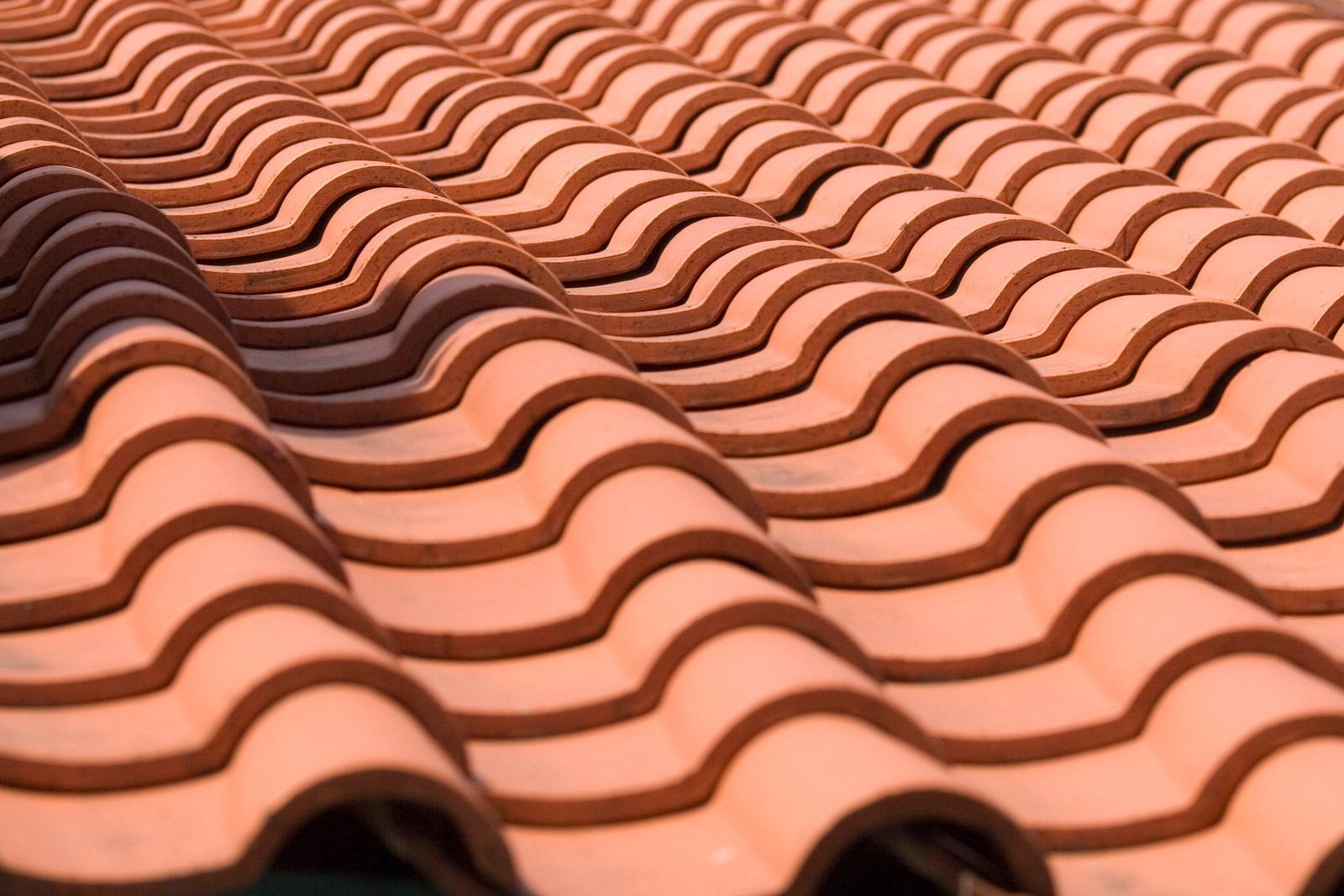
The town's housing adds another factor. Much of Crawley was built from the 1950s onwards with concrete interlocking tiles, the standard of post-war housebuilding. Concrete tiles carry a protective surface when new, but as that surface weathers over the years the tile beneath becomes more textured and porous, giving moss spores more to grip and holding moisture longer.
This is part of why so many established Crawley roofs show heavy growth. The tiles are perfectly sound, but their aged surface offers moss an ideal home, which means these roofs particularly benefit from regular, gentle cleaning to keep the covering from building up.
5. What Actually Keeps a Roof Clear
You cannot change Crawley's rainfall or its leafy character, but you can influence everything downstream of them. A few practical measures make a genuine difference to how quickly moss returns after a clean:
- Trim overhanging branches so more light and air reach the roof and the tiles dry faster after rain.
- Keep the gutters clear so they are not a damp, debris-filled reservoir feeding growth from below.
- Book regular cleaning rather than waiting for a heavy build-up, ideally with a protective treatment that slows regrowth.
- Prioritise the shaded side , usually the north-facing slope, where moss always thickens first.
- Deal with debris after autumn , when Crawley's trees drop the most onto roofs and into gutters.
6. Why Prevention Beats a Crisis
The most effective and economical approach is to keep on top of moss rather than letting it build into a thick covering that then demands heavy intervention. Regular, gentle cleaning holds growth back and keeps the tiles clear so they can dry, which is far kinder to the roof, and to your budget, than an occasional drastic clean once the moss has taken over.
There is a knock-on benefit too. Keeping moss off the roof means far less of it sheds into the gutters, so drainage stays clear and the damp problems that come from overflowing gutters, stained walls and rotten fascia boards, are headed off at the same time. Tackling the roof and the gutters together deals with the whole cycle rather than half of it.
7. Local Knowledge Makes the Difference
A roof cleaner who knows Crawley understands why its roofs behave as they do: the rain, the trees, the shade, and the concrete tiles that dominate its neighbourhoods. That understanding shapes a sensible plan, gentle cleaning, sensible timing, and honest advice on whether a protective treatment is worthwhile for a particular roof, rather than a one-size-fits-all promise.
Understood properly, moss on a Crawley roof stops being a frustrating recurring mystery and becomes a straightforward, manageable part of owning a home in a green, damp town. Work with the setting rather than against it, and your roof stays clear and cared for all year round.
Frequently Asked Questions
Why is moss so common on Crawley roofs?
The town's steady rainfall of around 713mm a year, the trees and green space designed into its neighbourhoods, and the shade they cast create damp conditions moss thrives in, especially on north-facing slopes and on the aged concrete tiles common across the borough.
Does cutting back trees really help?
Yes. Trimming overhanging branches lets more sunlight and air reach the roof so it dries faster, and reduces the leaves, seeds, and debris that feed moss and block gutters. It is one of the most effective things a homeowner can do.
Why is one side of my roof greener than the other?
The shaded, usually north-facing side stays damp for longer and grows far more moss, while the sunnier side dries out and stays clearer. It comes down to aspect and shade, not to how well the house has been looked after.
Will moss just come back after cleaning?
Some regrowth is natural in Crawley's damp, leafy setting, but a professional clean with a protective treatment slows it considerably, and keeping the roof on a regular schedule stops it ever building back to a heavy, damaging level.
How soon should I act if my roof is going green?
A thin covering can wait for a planned clean, but thick, spongy moss that is shedding into the gutters should be dealt with before it starts affecting drainage or lifting tiles. When in doubt, a quick professional look will tell you where your roof stands.
Tired of moss returning in Crawley?
Ben's Roof Cleaning removes moss and helps keep Crawley roofs clear for longer with careful cleaning and protective treatment, backed by over 15 years of experience. Get in touch or call 0129 320 4461
for a free, no-obligation quote.
Work With the Setting, Not Against It
Crawley's roofs go green for reasons woven into the town itself: regular rainfall, neighbourhoods full of trees, the shade they cast, and the aged concrete tiles that cover so many homes. You cannot remove those conditions, but you can work with them by letting in light, keeping gutters clear, and cleaning the roof regularly with a treatment to slow regrowth. Understand what is feeding the moss on your Crawley roof, and keeping it clear becomes a simple, predictable routine rather than a losing battle against the seasons.