Are Roof Treatments and Biocides Worth It? A Crawley Guide
Once a roof has been cleaned and looks its best again, the natural next question is how to keep it that way. In a town like Crawley, where damp and shade bring moss back readily, many homeowners are offered a protective biocide treatment after cleaning and reasonably wonder whether it is worth the extra outlay or just an upsell. It is a fair thing to question, and the honest answer depends on your particular roof and its setting. This detailed guide explains exactly what these treatments do, why they matter more in Crawley's climate than in a drier spot, how to weigh the cost against the benefit, and when they are genuinely worthwhile.
The quick answer: A biocide treatment is applied after cleaning to slow the return of moss, algae, and lichen by treating the surface so new growth struggles to establish. In Crawley's damp, tree-lined conditions, where growth comes back quickly, it often earns its cost by keeping the roof clear for longer and reducing how often a full clean is needed. It is most worthwhile on shaded, north-facing, older, or fast-regrowing roofs.
1. What a Treatment Actually Does
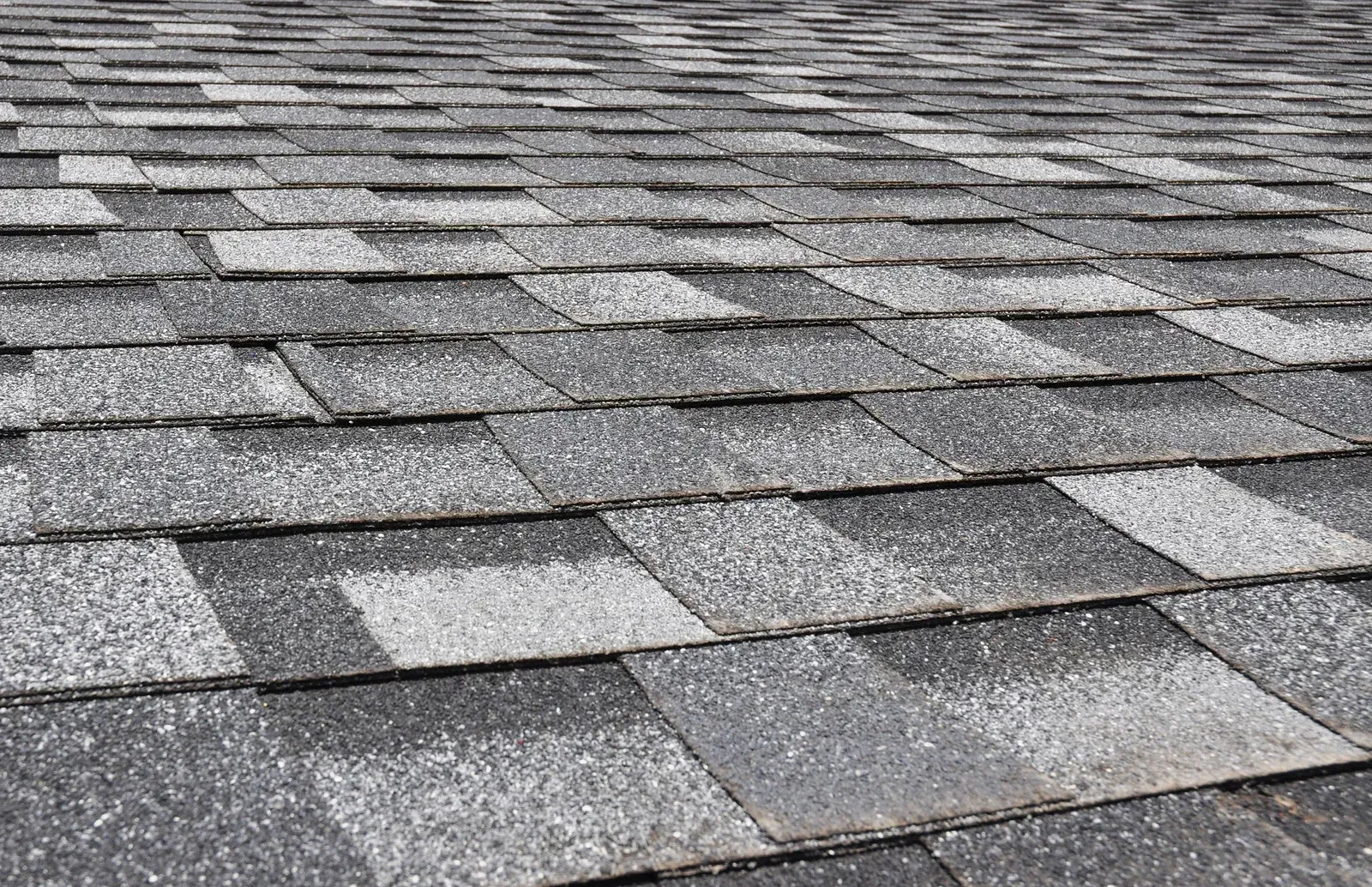
A roof clean removes what is already growing on the tiles. A biocide treatment goes a step further, treating the surface so that the spores of moss, algae, and lichen, which are always in the air and always settling, struggle to take hold and re-establish. It does not last forever and it is not a permanent seal, but it noticeably slows the natural cycle of regrowth that would otherwise begin almost as soon as the roof was clean.
The clearest way to picture it is that the clean resets the roof to a clear state and the treatment holds that clear state for longer. The two work as a pair, which is exactly why a treatment is offered as a follow-up to cleaning rather than as an alternative to it. On its own it does little; after a thorough clean it extends the result.
2. Why It Matters More in Crawley
In a dry, open, sunny location a roof might stay clear for several years with no help at all. Crawley is simply not that kind of place. With around 713mm of rain a year, damp autumns, and neighbourhoods deliberately planted with trees and green space, the town gives moss close to ideal conditions to return quickly after any clean.
That faster regrowth is precisely what a treatment is designed to counter. Where an untreated Crawley roof might start greening again within a season or two, especially on a shaded slope, a treated one holds its clean appearance for considerably longer. In this setting, slowing regrowth is not a luxury; it has a real, practical value that shows up in how often you need to arrange a full clean.
3. Weighing the Cost Sensibly
A treatment adds to the price of a clean on the day, so the sensible way to judge it is over time rather than as a single upfront figure. If it meaningfully extends how long the roof stays clear, it reduces how often you pay for a full clean, and for many Crawley homes that saving over a few years offsets the added cost of the treatment itself.
There is also the roof to consider, not just the appearance. By keeping moss from re-establishing and holding water against the tiles, a treatment supports the condition of the tiles themselves. That matters most on older or more porous roofs, including many of Crawley's aged concrete tiles, which suffer more when growth is allowed to build and trap moisture through the winter.
4. When It Is Most Worthwhile
A treatment tends to earn its place on the roofs that face the toughest conditions, and to matter less on those in easy, sunny positions. It is especially worth considering if any of the following apply to your Crawley home:
- Heavy shade or nearby trees , common near Tilgate, Worth, and the greener, more established neighbourhoods.
- A north-facing slope that stays damp longest and grows moss fastest.
- A history of fast regrowth , where moss has returned heavily within a year or two of previous cleans.
- An older or more porous roof , such as weathered concrete tiles that hold growth readily.
- A preference for longer gaps between cleans, so the roof looks after itself for more of the year.
5. When It May Not Be Necessary
To be balanced, a treatment is not essential on every roof. A home in an open, sunny position with little tree cover, on a slope that dries quickly and has never greened heavily, may stay clear long enough on cleaning alone that a treatment adds little. An honest assessment should tell you which category your roof falls into rather than assuming a treatment is always required.
This is where seeing the roof matters. Shade, aspect, tile condition, and the history of regrowth all feed into whether a treatment is worthwhile, and none of them can be judged over the phone. A good roof cleaner will look, then advise, rather than applying a treatment as a default on every job.
6. Making the Decision
The most useful guide is your own roof and your own preferences. If it sits in shade, greens quickly, and you would rather not think about it for a few years, a treatment after cleaning is very likely worth it in Crawley's conditions. If it is sunny, dries fast, and stays clear on its own, you may reasonably skip it and simply clean when needed.
Either way, the value comes from honest, roof-by-roof advice rather than a blanket rule. That is the difference between a treatment that genuinely saves you money and hassle over time and one applied simply because it was on the price list.
Frequently Asked Questions
What is a roof biocide treatment?
It is a solution applied after cleaning that treats the surface so moss, algae, and lichen struggle to re-establish, slowing the natural regrowth that would otherwise begin quickly on a freshly cleaned roof.
Is a treatment worth it in Crawley?
Often, yes. Crawley's damp, shaded, tree-lined conditions bring moss back quickly, so a treatment that slows regrowth can keep the roof clear for longer and reduce how often it needs a full clean, particularly on shaded or north-facing slopes.
How long does a treatment last?
It varies with the roof and its exposure, but a treatment noticeably extends how long a roof stays clear compared with cleaning alone. It is not permanent, and some regrowth is natural over time, which is why regular maintenance still helps.
Does every roof need a treatment?
No. It is most worthwhile on shaded, north-facing, older, or fast-regrowing roofs. A sunny roof that dries quickly and stays clear may not need one. A professional can advise based on your specific roof rather than applying it by default.
Can a treatment damage my roof or plants?
Applied properly by an experienced cleaner, a treatment is planned to suit the tiles and to protect surrounding areas, with care taken over run-off. This is another reason to use a professional rather than attempting it yourself.
Want your clean to last longer in Crawley?
Ben's Roof Cleaning offers professional roof cleaning and protective treatment to keep Crawley roofs clear for longer, with over 15 years of experience across West Sussex. Get in touch or call 0129 320 4461
for a free, no-obligation quote.
A Sensible Step in the Right Setting
A biocide treatment is not magic, and it is not always essential, but in the right conditions it is a genuinely worthwhile step. Crawley's damp climate and green, tree-lined neighbourhoods are exactly the kind of setting where moss returns quickly, so slowing that regrowth has real, measurable value over time. Judge it on your own roof's shade, history, and exposure rather than on a sales pitch, and for many Crawley homes a treatment after cleaning is a smart, cost-effective way to protect both the look and the life of the roof.