Does Lichen Actually Damage Roof Tiles? Myths vs Facts
The crusty, pale-grey and yellow patches that spread across older roofs are easy to overlook. They look like part of the tile, flat and dry rather than green and spongy, and many homeowners assume that because lichen is not obviously growing thick like moss, it must be harmless. That assumption is where the trouble begins.
Lichen is one of the most tenacious organisms to appear on a roof, and its slow, quiet way of damaging tiles is often underestimated. This guide looks at whether lichen really harms tiles, how it does its damage, and why it is so much harder to deal with than the moss and algae it often grows alongside.
What Lichen Actually Is
Lichen is not a single plant but a partnership between a fungus and an alga living together. The fungus provides structure and grip while the alga produces food through photosynthesis. This combination makes lichen remarkably hardy, able to survive on bare, exposed surfaces where moss and algae alone would struggle.
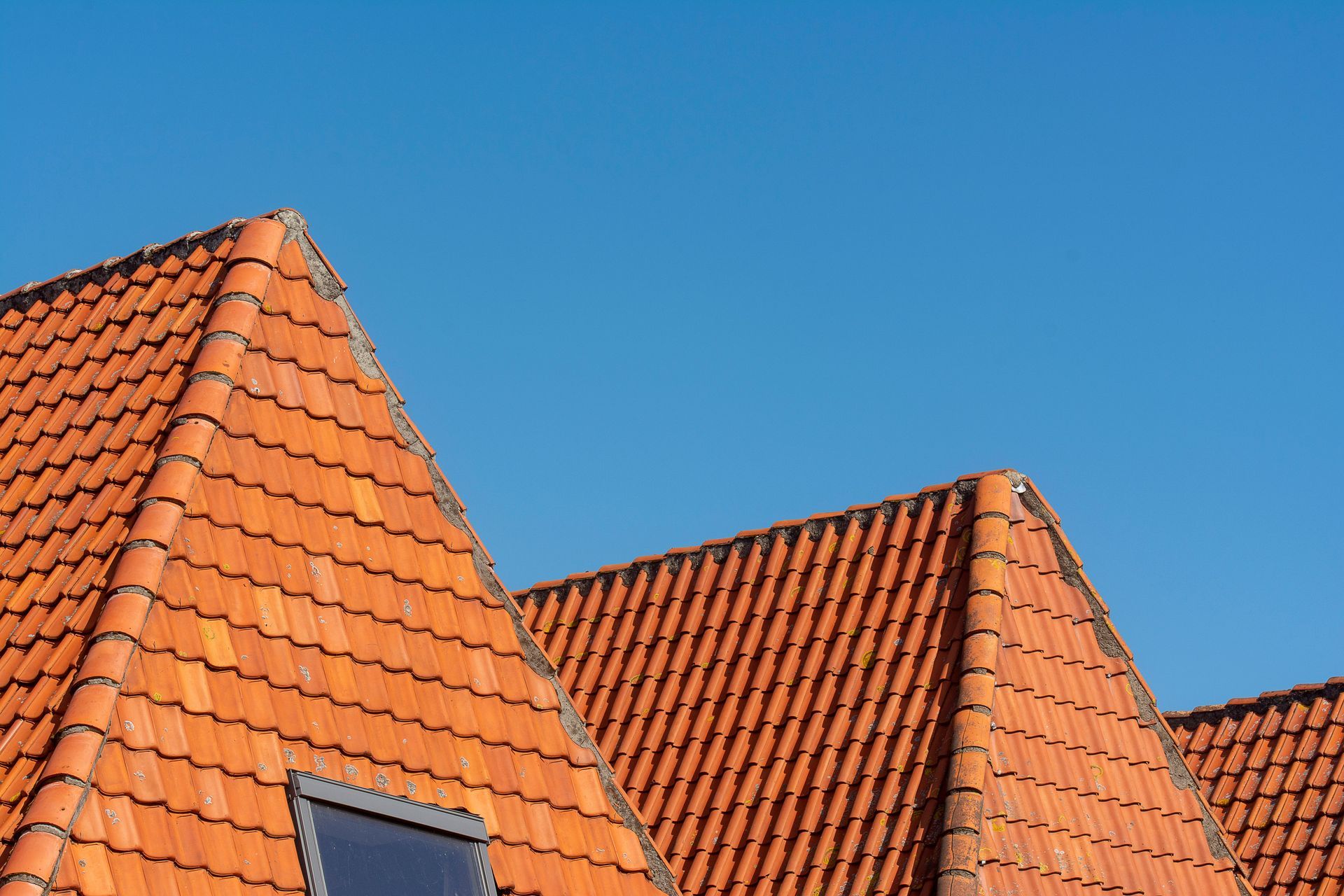
On a roof, lichen typically appears as flat, crusty, circular patches, often pale grey, green, or yellow, that look almost painted onto the tile. Some forms are leafy, others are tightly crust-like, but all share the same defining trait: they grip the surface hard and do not brush off. That grip is the first clue to how they damage tiles.
How Lichen Grips and Etches the Surface
The fungal part of lichen anchors itself using root-like structures that penetrate into the microscopic pores and imperfections of the tile surface. On concrete and clay this means the lichen is not merely sitting on top of the tile but is physically keyed into it. That is why scraping lichen off often takes fragments of the tile surface with it, and why it regrows so readily from any anchor points left behind.
Alongside this physical grip, lichen produces mild organic acids as part of its normal life processes. Over long periods these acids slowly etch and pit the protective coating on the tile. The effect is gradual, but the outcome is a surface that becomes rougher and more porous, which then holds more water and offers an even better foothold for the next generation of growth, along with moss and algae.
Tip: You can tell lichen from moss and algae by texture. Moss is raised and spongy, algae is a flat slick film, and lichen is flat but crusty and firmly stuck, like a coin fused to the tile. Most older roofs carry all three at once, which is why a single clean has to deal with more than one kind of growth.
Is Lichen Worse Than Moss?
Lichen and moss damage tiles in different ways, and neither is simply worse than the other. Moss does its harm mainly through bulk and trapped water, holding moisture against the tiles, adding weight, blocking gutters, and driving freeze-thaw cracking. Lichen does its harm through grip and slow chemical etching, degrading the tile surface itself and proving extremely stubborn to remove.
Where lichen has the edge in difficulty is removal and regrowth. Because it anchors so deeply, it resists cleaning far more than the soft, liftable growth of moss or the surface film of algae. A clean that easily lifts moss may leave lichen's anchor points behind, from which it re-establishes. This is why treating lichen benefits so much from a follow-up biocide that continues to work on the residual growth after the main clean.
Why Lichen Is a Sign to Act
Lichen tends to appear on roofs that have been damp and undisturbed for a long time, so its presence is itself a signal. A roof carrying established lichen has usually also accumulated moss and algae, and the combined growth is steadily degrading the surface and keeping the tiles wet.
Left alone, the etching continues, the tiles grow more porous, and the roof becomes progressively more hospitable to all forms of growth, a self-reinforcing decline. Removing lichen and treating the surface slows that process, and doing it before the growth is decades-established makes the job far more effective. Clearing the debris and moisture at the roofline through regular Gutter Cleaning also removes some of the damp conditions lichen depends on.
How Lichen Is Removed Safely
Given how firmly lichen grips, the temptation to attack it with a pressure washer or a scraper is strong, and both are risky. Pressure washing hard enough to shift established lichen can strip the tile coating and force water under the laps, while scraping physically damages the surface and rarely removes the anchor points. Either approach can leave the tile worse off than the lichen did.
A no-contact, water-based method is the safer route. Working from mobile scaffold towers or ground level with specialist equipment, the growth is lifted without walking the roof or blasting the surface, and a patch test beforehand confirms the approach suits the tile. Because lichen is so persistent, the non-toxic biocide applied afterwards is especially valuable: it keeps working on any residual growth over the following months, weakening the anchor points and slowing regrowth. A careful Roof Cleaning with biocide aftercare is the realistic way to get lasting results against lichen.
In our 15
years on Sussex roofs, lichen is often the growth that has been there longest and takes the most patience to clear, which is exactly why the aftercare treatment matters so much with it.
Lichen does damage roof tiles, though more slowly than moss. It anchors tightly into the tile surface with root-like structures and releases mild acids that etch and pit the protective coating over time. This makes tiles more porous and speeds up weathering, and lichen is notoriously difficult to remove once established. It will not usually crack a tile outright, but it degrades the surface and holds moisture that supports further growth.
Frequently Asked Questions
Will lichen crack my roof tiles like moss can?
Lichen is less likely than moss to crack a tile outright, because it does not hold the same volume of water or build up bulk in the joints. Its damage is to the tile surface, etching and pitting the protective coating and making the tile more porous. That increased porosity can, over long periods, make a tile more vulnerable to the freeze-thaw cracking that moss then accelerates.
Why is lichen so hard to remove?
Lichen anchors into the tile surface with root-like fungal structures that penetrate the pores, so it is physically keyed into the tile rather than sitting on top of it. This grip means it resists brushing and gentle washing, and it regrows from any anchor points left behind. Effective removal usually needs a proper clean followed by a biocide that keeps working on the residue.
Can I leave lichen if it is not spreading quickly?
Lichen grows slowly, but leaving it allows the surface etching and increased porosity to continue, and its presence usually indicates a damp roof that is also collecting moss and algae. Because it is so much harder to remove once well established, dealing with it sooner rather than later makes the eventual clean easier and protects the tile surface.
Does lichen damage all roof materials?
Lichen can grow on concrete, clay, and slate, but the impact varies. Porous concrete and worn clay give the fungal anchors the most to grip and are most affected by the acid etching. Smoother, denser, or glazed surfaces resist it better. No common roofing material is completely immune where conditions stay damp and shaded for long enough.
Is a biocide necessary for lichen, or is cleaning enough?
For lichen in particular, the biocide is close to essential for a lasting result. Cleaning removes the bulk of the growth, but lichen's deep anchor points often survive a single clean and regrow. The non-toxic biocide applied afterwards continues to break down that residual growth over months, which is why cleaning and treatment together work far better than cleaning alone.
Tackle stubborn roof lichen — Book a no-contact clean with biocide aftercare to remove lichen and slow its return. Ben's Roof Cleaning includes a free inspection and patch test suited to your tile type. Call 0129 320 4461.
The Verdict on Lichen and Your Tiles
Lichen does damage roof tiles, just not in the dramatic way moss does. Instead of cracking tiles through trapped ice, it grips into the surface and slowly etches the protective coating, leaving tiles rougher, more porous, and more welcoming to the next wave of growth. Its real signature is stubbornness: once keyed into the tile it resists everything short of a proper clean backed by a lasting treatment. Read as a warning sign, lichen tells you a roof has been damp and neglected for a while, and the sooner it is treated, the more of the tile surface there is left to protect.