Why Is My Roof Turning Black? Causes of Dark Roof Stains
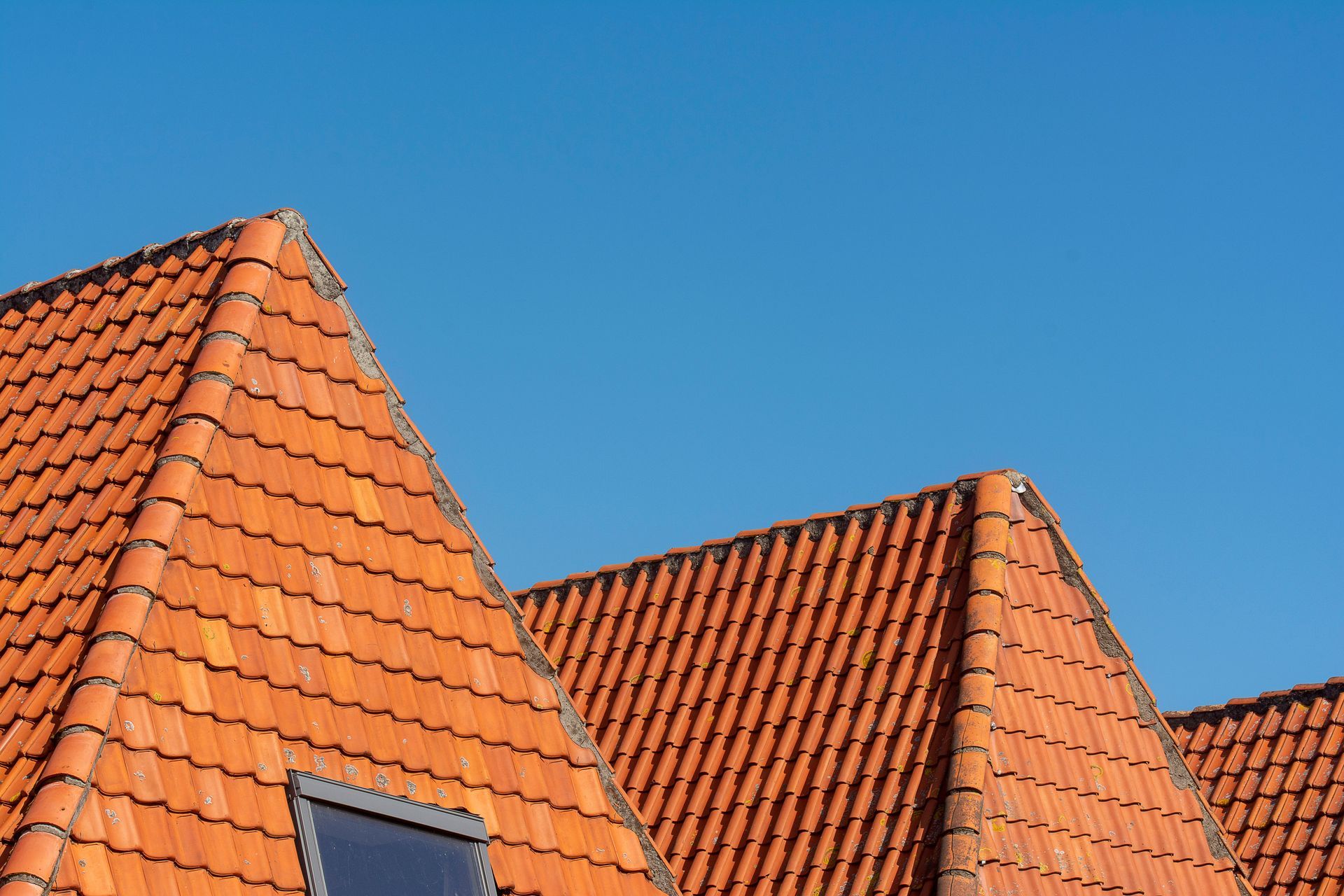
You notice it gradually. The roof that was a fairly even grey or terracotta a few years ago now has dark patches creeping across the northern slope, and along one section the black has run downward in streaks. From the pavement it looks as though the tiles are ageing badly or collecting soot. In most cases, neither is true.
A roof turning black is one of the most common concerns homeowners raise, and the cause surprises many people. This guide explains what the dark staining actually is, why it appears where it does, and how it is removed without damaging the tiles underneath.
The Black Is Usually Algae, Not Dirt
The dark discolouration on most roofs is a living organism rather than accumulated grime. It is a form of algae that spreads through airborne spores and, as it grows, produces a dark pigment that acts as a protective coating against sunlight. That pigment is what turns the tiles black or dark grey-green over time.
Because it is alive and spreading rather than simply settling like dust, the staining behaves in ways plain dirt never would. It grows outward across the slope, concentrates in the dampest areas, and returns after rain rather than washing away. This is also why scrubbing at one patch achieves little; the growth extends across the surface as a connected film, not as isolated spots of dirt.
Why It Appears as Streaks
One of the clearest signs that the black is algae is the streaked pattern it forms. Rainwater running down the slope carries algae spores and nutrients with it, so the growth spreads along the path the water takes. Dark streaks commonly begin beneath chimneys, vents, and the joints where slopes meet, then widen downward season after season.
If the discolouration were soot or general dirt it would tend to sit more evenly or collect in sheltered pockets. The distinctive downward streaking, following the flow of water rather than the pattern of shelter, is a strong indicator that you are looking at a biological growth feeding on moisture.
Why Some Roofs Blacken and Others Stay Clear
Two roofs on the same street can look completely different, and the reasons come down to moisture and light.
Shade keeps the surface damp. North-facing slopes and areas shadowed by trees or neighbouring buildings dry slowly and stay cool, giving algae the sustained dampness it needs. South-facing slopes in full sun dry quickly and often stay noticeably cleaner.
Tile type and age matter. Porous, weathered tiles hold more water and give algae an easier surface than smooth, glazed, or newer ones. As a tile's surface erodes with age, it becomes more hospitable to growth.
Debris feeds it. Organic matter washing across the roof and collecting along the roofline holds moisture and provides nutrients. A roofline kept clear through regular
Gutter Cleaning gives algae less to feed on at the edges where growth often starts.
Tip: Compare your roof with your neighbours' on the same side of the street. If yours is darker, look for the difference in shade, tree cover, or an overflowing gutter line. The blackest roofs are almost always the dampest ones, and fixing the source of the damp is part of keeping them clear.
Is a Black Roof Actually a Problem?
The staining itself is largely cosmetic in its early stages, but it should not be dismissed. A blackened roof signals that the surface is staying damp enough to support steady biological growth, and that same dampness supports moss and lichen, which are more physically damaging than algae alone.
There are practical effects too. A dark, discoloured roof noticeably reduces a property's kerb appeal, which matters for anyone thinking about selling. And because algae rarely grows in isolation, a blackening roof is often the first visible stage of a broader growth problem that will include water-holding moss if left unchecked. Treating the black staining early, and the dampness behind it, heads off the more serious growth that tends to follow.
How Black Roof Stains Are Removed Safely
The instinct to pressure wash a black roof is understandable but risky. High-pressure water strips the protective surface from tiles, drives water under the laps, and can dislodge ridge bedding, causing damage that outlasts the staining you were trying to remove. Algae grows as a surface film and does not need that kind of force.
A no-contact, water-based method lifts the black growth from the tiles while working from mobile scaffold towers or ground level, without anyone walking the slippery, stained slope. The roof is inspected and patch-tested first so the method suits the tile type, whether concrete, clay, or slate. Once the staining is cleared, a non-toxic biocide can be applied to keep working on the surface for months afterwards, slowing the return of algae, moss, and lichen. A gentle Professional Roof Cleaning Services approach restores the colour of the tiles without the collateral damage of pressure washing.
In our 15 years on Sussex roofs, blackening from algae is one of the most frequent reasons homeowners get in touch, and the damp South East climate is exactly why it is so widespread here.
A roof turning black is almost always caused by a type of airborne algae that produces a dark, protective pigment as it grows across the tiles. It is not dirt, soot, or a sign the tiles are burning out. The black staining spreads on damp, shaded surfaces and often appears as streaks running down the slope. It is removed with gentle, no-contact cleaning, and a biocide treatment slows its return.
Frequently Asked Questions
Is the black on my roof dangerous to my health?
The algae responsible for black roof staining is not generally considered a health hazard where it sits on the roof. The more relevant concern is that it keeps the roof damp and often accompanies moss and lichen, which can cause physical damage over time. If black growth is also appearing on walls or in the loft, that points to a damp issue worth investigating separately.
Will the black staining come back after cleaning?
It can, because cleaning removes the visible growth but not the airborne spores or the shade and damp that let it grow. Applying a non-toxic biocide after cleaning slows the return considerably, and improving how quickly the roof dries, by clearing gutters and cutting back branches, helps keep it clearer for longer.
Can I remove black roof stains with bleach or chemicals myself?
It is not advisable. Homemade chemical mixes can damage tiles, harm plants and lawns below, run into drains, and are difficult to apply evenly across a full roof. Add the danger of working at height on slippery, stained tiles and the risks outweigh any saving. A professional water-based method is safer and more thorough.
How long does it take for a roof to turn black?
It varies with shade, dampness, and tile type, but noticeable darkening usually develops gradually over several years rather than appearing suddenly. A roof in deep shade with porous tiles and nearby trees will blacken faster than a sunny, open roof with newer tiles. Regular checks let you catch it while it is light.
Does a black roof mean my tiles need replacing?
Usually not. In most cases the tiles beneath the staining are perfectly sound and simply coated in algae, and cleaning restores their appearance. Replacement is only needed where tiles have separately cracked or failed, which is why an inspection during cleaning is useful for telling cosmetic staining apart from genuine tile damage.
Restore your roof's colour — Book a no-contact clean to remove black algae staining without pressure washing. Ben's Roof Cleaning includes a free inspection, patch test, and optional biocide to slow regrowth. Call 0129 320 4461
Understanding the Dark Streaks on Your Roof
A roof turning black is rarely the disaster it looks like from the pavement. In almost every case it is algae, a living film that produces a dark pigment and spreads wherever the tiles stay damp and shaded. The tiles beneath are usually sound, and gentle no-contact cleaning brings their colour back without harm. What the black really tells you is that your roof is holding moisture, and addressing that dampness, through cleaning, biocide protection, and clear gutters, keeps both the staining and the more damaging growth that follows it at bay.